All story worlds
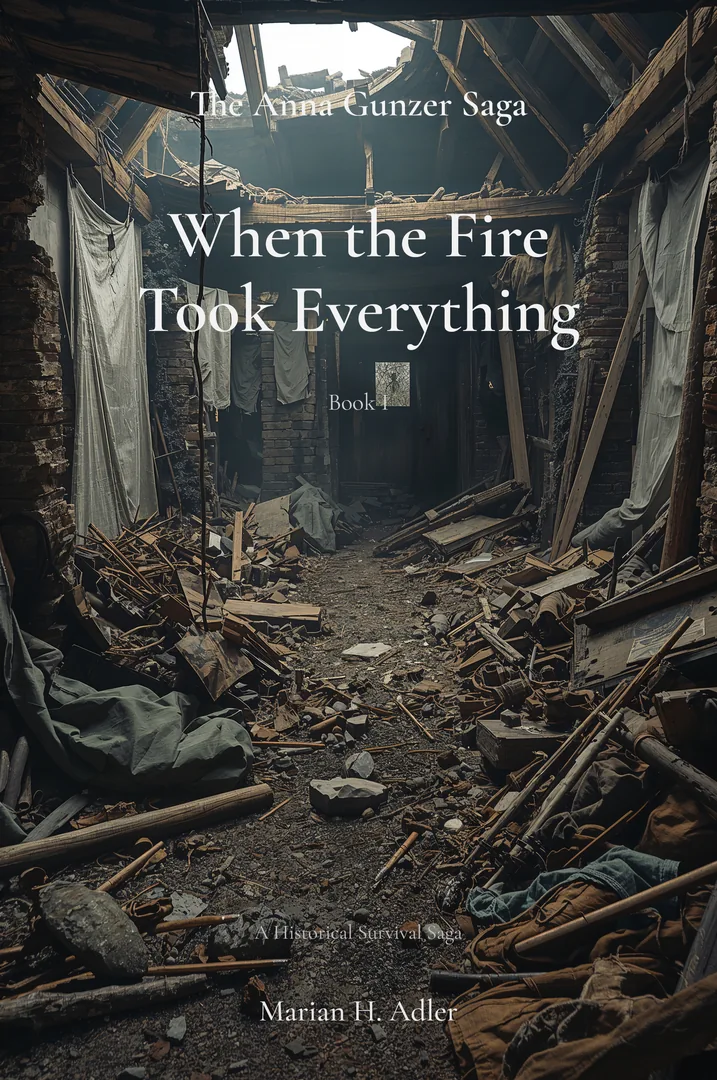
When the Fire Took Everything — Book 1

Historical fiction

The Anna Gunzer Saga

Written by Marian H. Adler

The Anna Gunzer Saga tells the life of Anna Gunzer, a woman in seventeenth-century Europe who loses everything that once held her life together in war: home, family, protection, and belonging. What emerges from that loss is not a new beginning, but a logic of survival that shapes Anna for decades. The series follows her from the destruction of her origins through flight, labor, guilt, and dependence to a life ordered by her own rules. With each volume, the conflict shifts: loss becomes movement, movement becomes guilt, protection becomes control, autonomy becomes risk, and survival becomes a form of endurance that offers no comfort. At its core are decisions made under coercion, the physical and moral cost of survival, and the question of what remains of a person when protection, order, and hope no longer hold. The series rejects redemption arcs, heroic elevation, and moral resolution. It presents history as a harsh field of action in which people are not saved, but must function, endure, and keep going.

Start with book 1

Story worlds

Every book in the series

When the Fire Took Everything — Book 1
Book 01Available

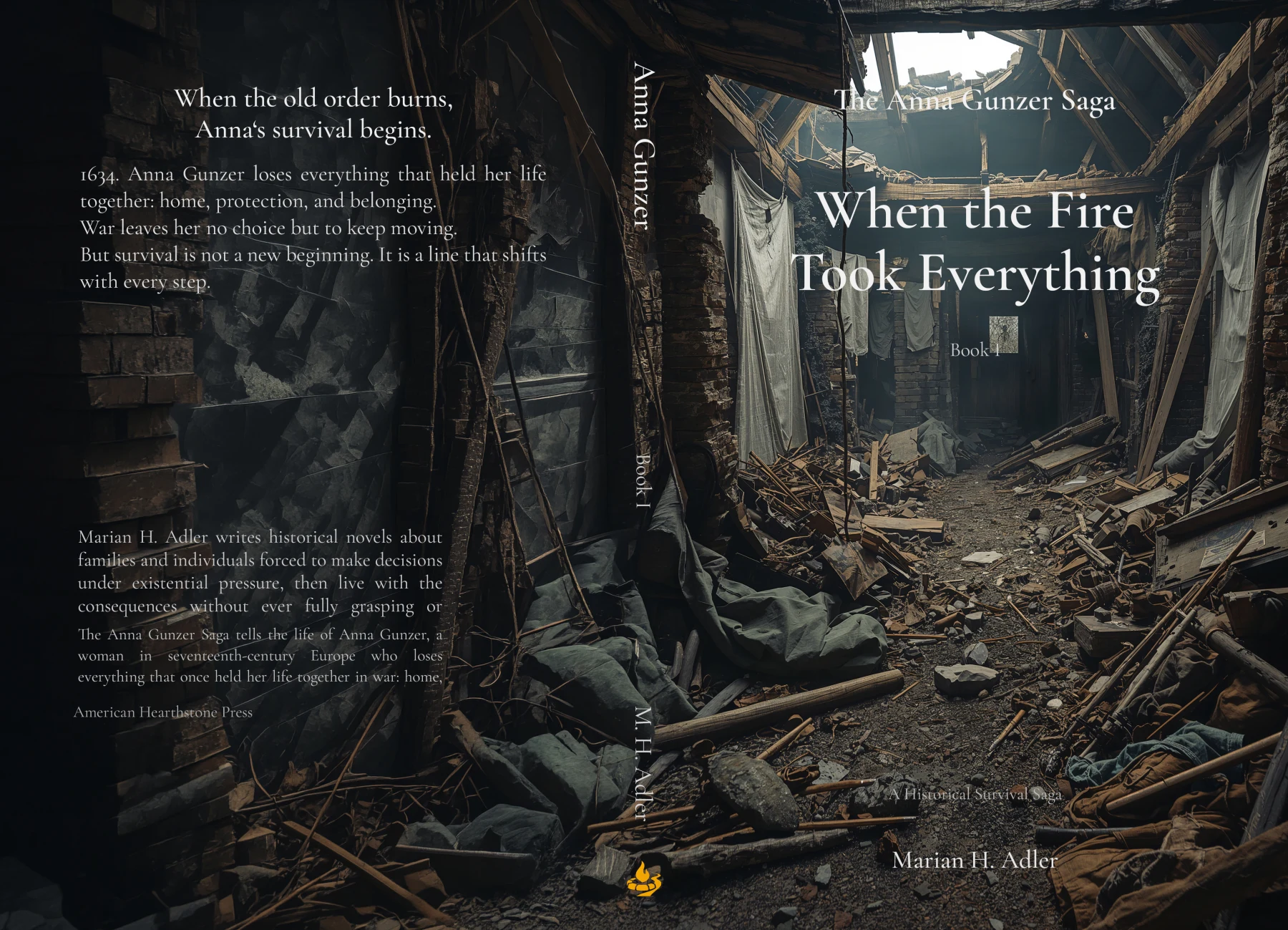
When the Fire Took Everything

The Anna Gunzer Saga - Book I

When the old order burns, Anna's survival begins.

1634. Anna Gunzer loses everything that held her life together: home, protection, and belonging. War leaves her no choice but to keep moving. But survival is not a new beginning. It is a line that shifts with every step.

Release:

Read on Amazon (Amazon)
The Road of Guilt — Book 2
Book 02Available

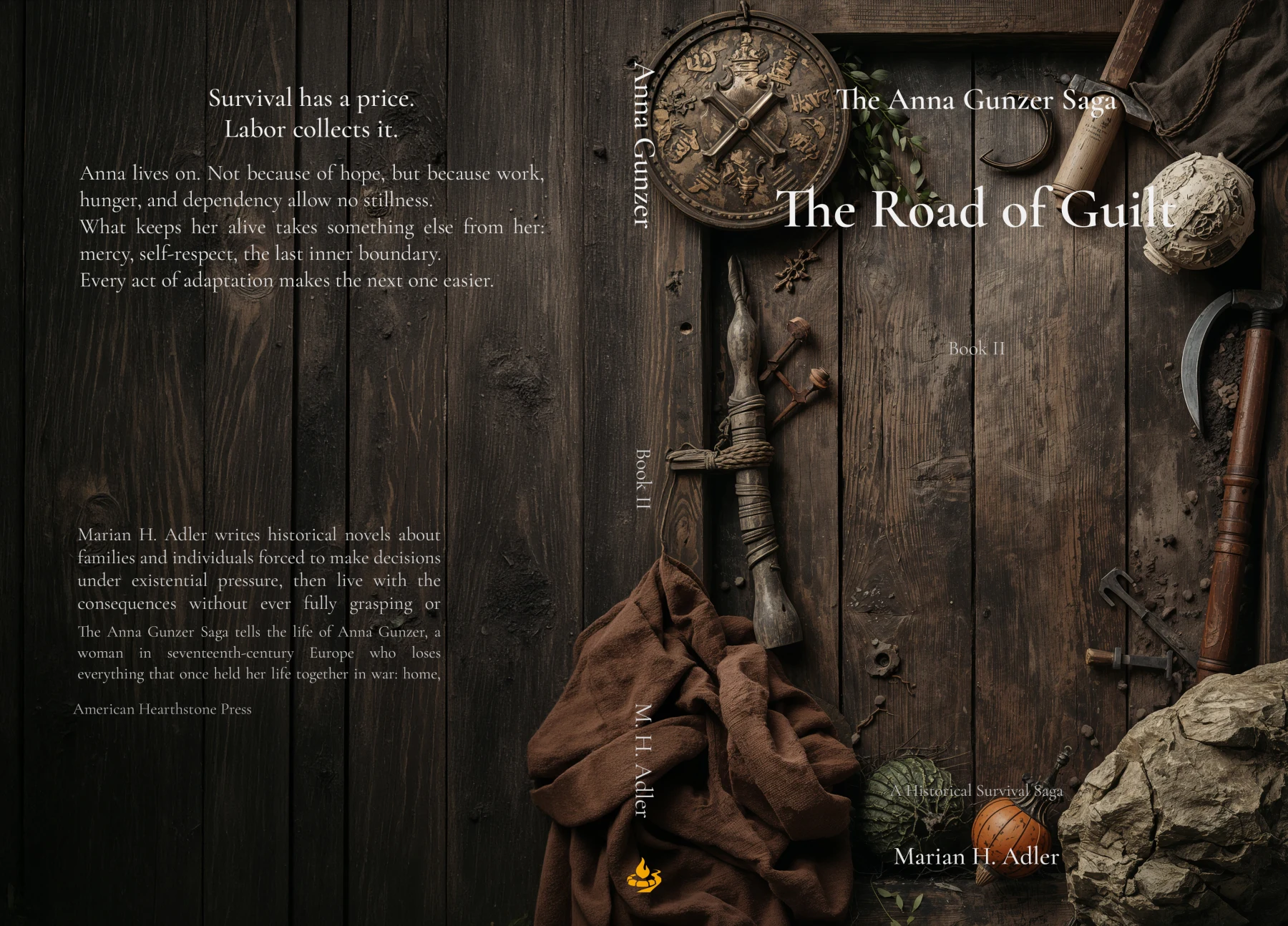
The Road of Guilt

The Anna Gunzer Saga - Book II

Survival has a price. Labor collects it.

Anna lives on. Not because of hope, but because work, hunger, and dependency allow no stillness. What keeps her alive takes something else from her: mercy, self-respect, the last inner boundary. Every act of adaptation makes the next one easier.

Release:

Read on Amazon (Amazon)
A Shelter Made of Lies — Book 3
Book 03Pre-order

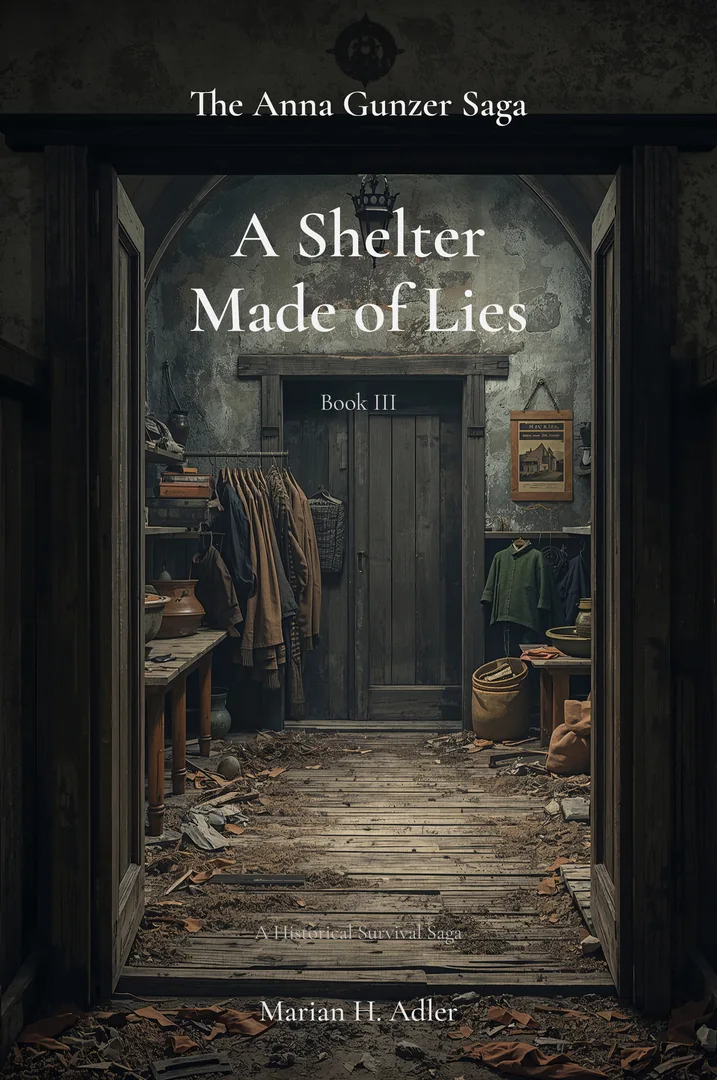
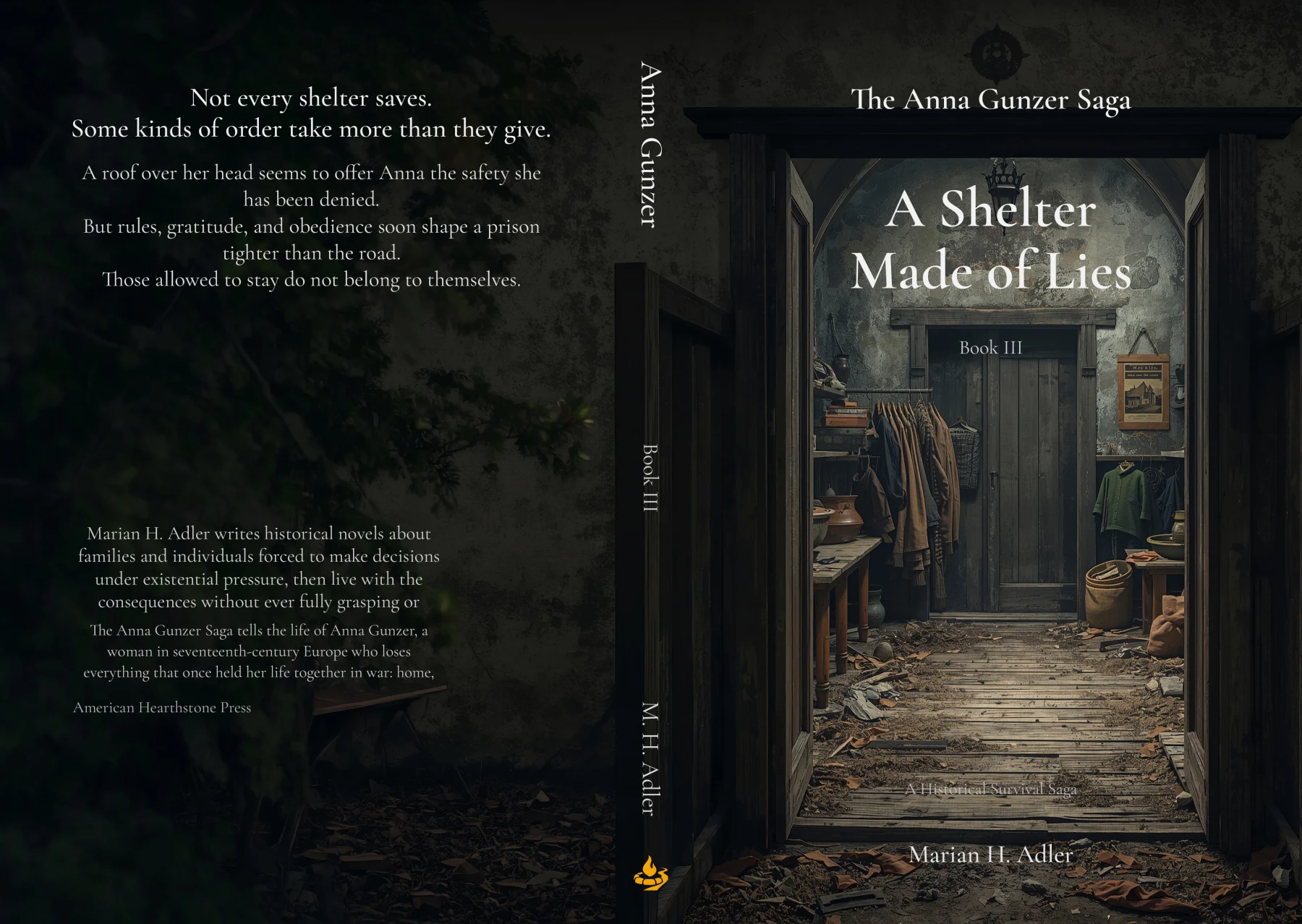
A Shelter Made of Lies

The Anna Gunzer Saga - Book III

Not every shelter saves. Some kinds of order take more than they give.

A roof over her head seems to offer Anna the safety she has been denied. But rules, gratitude, and obedience soon shape a prison tighter than the road. Those allowed to stay do not belong to themselves.

Release:

Pre-order on Amazon (Amazon)
Book 4: The Price of Standing AloneCover to be revealed
Book 04Planned

The Price of Standing Alone

The Anna Gunzer Saga - Book IV

Freedom does not protect. It makes you visible.

Anna breaks away from the orders that have held her up and held her down. But without roof, name, or protection, every decision becomes a danger. Autonomy is not deliverance. It means standing alone and paying the price.

Planned date:

Book 5: What Remains When Nothing HoldsCover to be revealed
Book 05Planned

What Remains When Nothing Holds

The Anna Gunzer Saga - Book V

When hope ends, only the order you make remains.

Anna has learned to live without protection. Without promises. Without a destination that could save her. What remains is endurance: the body, the road, the choices no one else will carry. In a life without redemption, Anna must decide whether survival alone can be enough.

Planned date:

The voice behind the series

Marian H. Adler

Marian H. Adler writes historical novels about families and individuals forced to make decisions under existential pressure, then live with the consequences without ever fully grasping or resolving them. Her work moves within the tension between property and responsibility, order and guilt, intimacy and structural survival. At the center of her writing are neither heroic deeds nor moral victories, but the lasting consequences of human decisions: bearing burdens, maintaining structure in times of loss, and acting within systems that allow no alternative. Adler is interested in history not as a sequence of great events, but as an ordered space in which people must act without any prospect of meaning, redemption, or relief. In her novels, migration appears not as a new beginning, but as necessary movement under coercion—sustained by duty and family ties, without hope of legacy or liberation. Her language is clear, controlled, and historically grounded. Without pathos and without sentimentality, Marian H. Adler gives weight to those voices that do not shape history, but endure it—and do not pass on responsibility, but keep it.